
Structural drying and dehumidification in West Hollywood, CA is the controlled removal of moisture from floors, walls, ceilings and framing after the standing water is gone. Surfaces look dry long before the materials behind them are. Water mitigation summarizes the first 24 to 72 hours. This page explains the equipment and readings that decide when a building is truly dry.
Drying is a physics problem. Water moves from wet materials into the air, and that humid air must then be carried away or condensed. If either half stalls, the room feels damp and the framing stays wet.
How structural drying works
Air movers push air across wet surfaces so moisture evaporates. Dehumidifiers pull that moisture out of the air so it cannot settle back into the building. Warmer air speeds evaporation, and containment keeps the drying zone small so the equipment works on the wet area instead of the whole home.
Wall cavities and floor layers need extra help. Small holes let an injection drying system push dry air into a cavity or under a floor layer, which dries the part of a building that open-room airflow cannot reach.
| Equipment | What it does | Where it fits |
|---|---|---|
| LGR dehumidifier | Removes moisture from air at normal room temperature | Most homes and apartments |
| Desiccant dehumidifier | Dries air with a moisture absorbing wheel, useful in cool or very damp spaces | Garages and lower levels |
| Axial and centrifugal air movers | Move air across floors and along wall bases | Floors, baseboards and carpet edges |
| Injection drying system | Pushes dry air into small openings | Wall cavities, cabinets and hardwood |
| Moisture meter and thermal camera | Locate wet materials and confirm progress | Every job |
Equipment is sized to the wet area and moved as the readings change.
Readings, reference points and drying logs
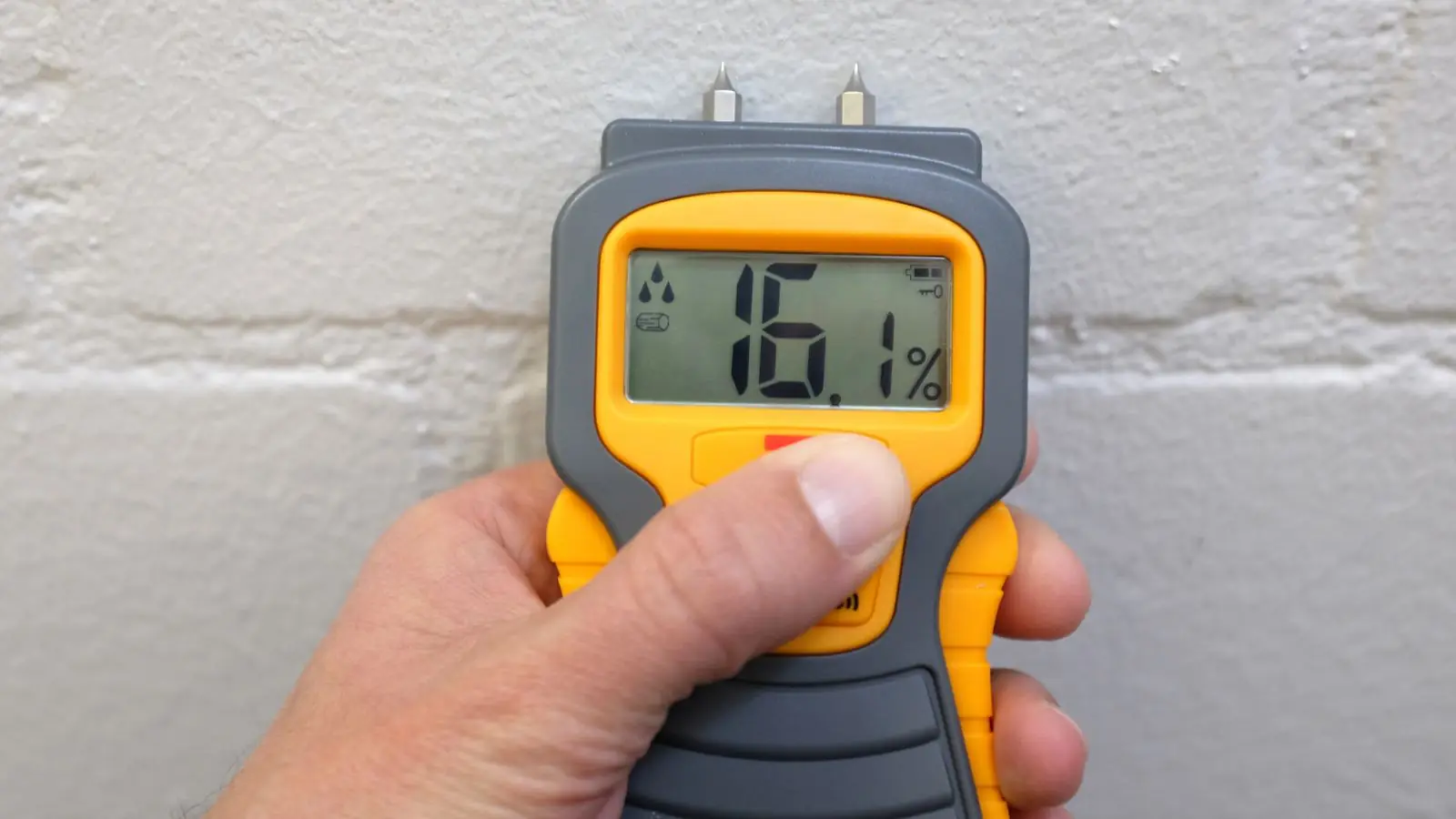
Before equipment starts, a moisture meter records readings on the wet materials and on an unaffected area of the same material. That dry reference becomes the target. A thermal imaging camera helps find hidden wet spots, and meters confirm them. Temperature and relative humidity are recorded in the room and at the dehumidifier.
Each visit adds a line to the drying log with the date, readings by location, equipment in place and any changes. A falling trend means the plan works. A flat line means equipment needs moving, a pocket was missed or a source is still leaking. The job ends when readings match the reference, not when a set number of days has passed.
The EPA advises drying wet materials in 24 to 48 hours and keeping indoor relative humidity below 60 percent, ideally between 30 and 50 percent. We treat those as goals, and ANSI/IICRC S500 is the standard we point to for how drying work is described.
First-hour safety steps before drying starts
Stop the source first, and keep power off to wet areas from a dry spot if you can reach the panel safely. Drying equipment is plugged in only after the area is checked, because extension cords and wet floors do not mix.
Lift small items off wet floors, keep people and pets away and photograph the damage before anything is moved. Then call the 24/7 line. Standing water comes out first through emergency water removal, and drying follows.
How long drying takes and what changes the cost
Several days is common, and the readings decide the end date. Hardwood, plaster, concrete and insulation each release water at their own pace, so one room can finish while another needs more time.
- The material, since dense materials dry slowly and porous ones can be removed.
- The water category and whether contaminated materials must come out.
- How far the water traveled and how many rooms or floors it reached.
- Whether wall cavities or floor layers must be opened to reach the moisture.
- Access, including stairs, elevators and parking for equipment.
- The number of equipment visits needed to confirm dry readings.
Walls or floors still damp?
Call the 24/7 line. We explain what the readings mean and what happens next.
How drying records help with insurance
A drying log, photos and equipment records document what was wet, what was removed and when the building reached dry readings. The California Department of Insurance claims guide advises keeping receipts and a log of calls with your insurer. Policies often treat sudden water differently from long-term seepage, and flood is typically excluded, so read yours before you discard anything.
Living with drying equipment in an apartment
Air movers and dehumidifiers are loud and draw real power, and about four in five West Hollywood households rent, according to the 2020 Census. Tell neighbors and the manager, and ask which circuits the equipment may use. Tenants should never unplug, move or shut off equipment, since a short break lets moisture return and extends the job.
Mistakes to avoid
- Switching equipment off at night because of the noise.
- Closing off containment or opening it to cool the room.
- Painting or replacing baseboards before readings match the reference.
- Opening windows in a sealed cavity job and expecting it to dry the wall.
- Treating a musty smell as a cleaning problem when moisture is still present.
Dry air outside, wet framing inside
NOAA 1991 to 2020 normals for the Westwood station show under 0.2 inch of rain in each month from June through September, but 4.73 inches in February. Dry summer air helps the dehumidifier, yet a closed wall cavity still holds water. In wet winter weeks, indoor humidity runs higher and drying often needs more dehumidification.
Many buildings in the city predate 1993, and the 2023 hazard mitigation plan describes small 1920s houses and duplexes plus some seven and eight story apartment buildings. Older layered finishes and tight apartment layouts are why readings in framing and subfloor matter more than how a wall feels.
Sources: NOAA 1991 to 2020 normals (Westwood station) and City of West Hollywood Local Hazard Mitigation Plan (2023).
Structural drying questions from West Hollywood
Is emergency structural drying and dehumidification available in West Hollywood?
Yes. The 24/7 line takes calls at night and on weekends, and a crew is dispatched when one is available. No arrival time is promised, and you are told what to do while you wait.
How do you know when a building is dry?
Moisture meter readings on the affected materials are compared with a dry reference area of the same material. When they match and the humidity is in range, the drying log supports ending the job.
Can I just run my own fans and a store dehumidifier?
They help with surface moisture and damp air, but they cannot reach a wet wall cavity or a floor layer. Readings are what tell you whether the framing is dry.
Why can the equipment not be moved?
Equipment is placed from readings and airflow, and moving it changes which materials dry. Call us if it is in the way, and we reposition it.
Do you dry buildings in Beverly Hills?
Yes. See the Beverly Hills page for ZIP codes, and the service area page for the full coverage list.