
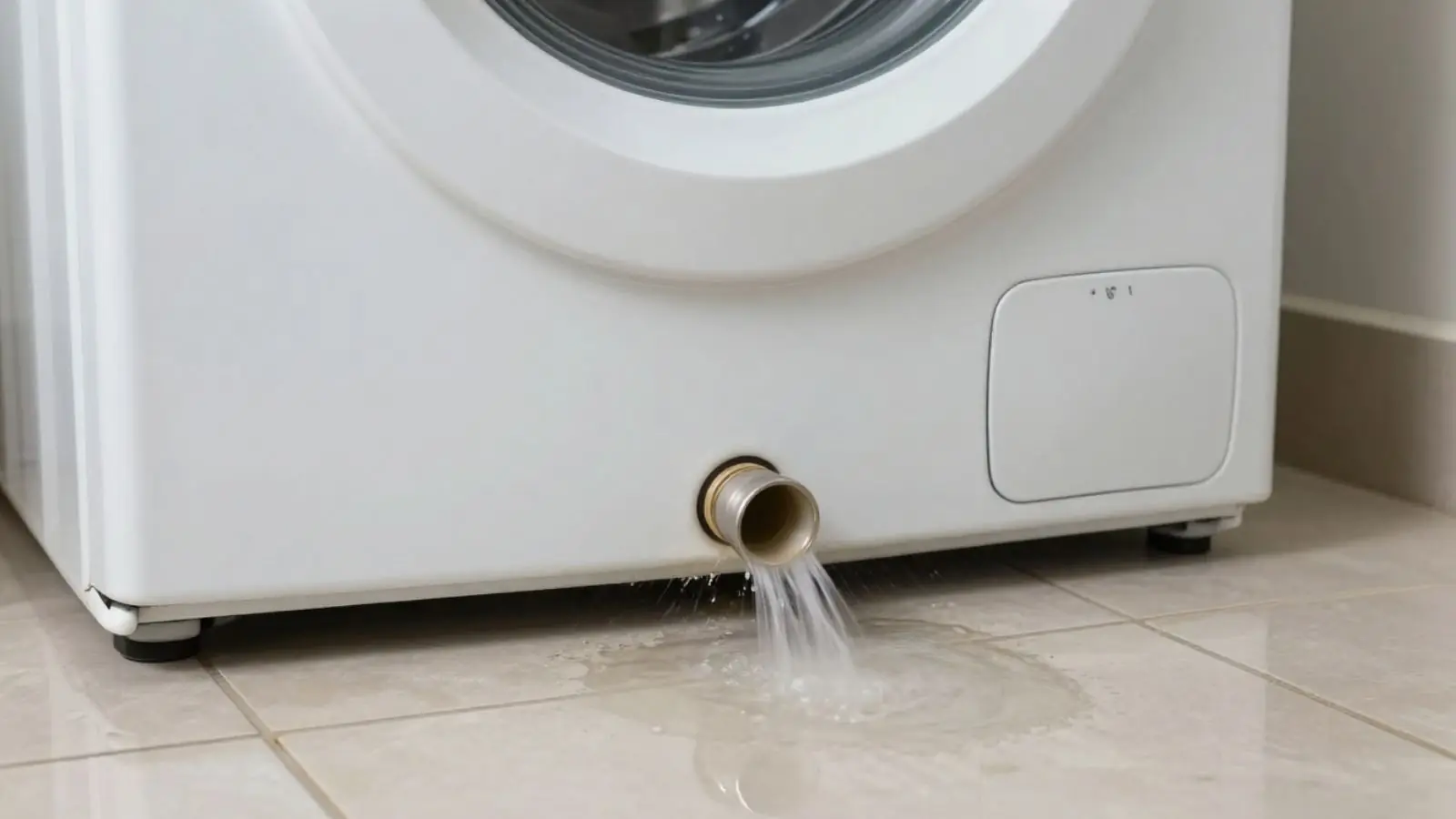
Appliance leak water damage cleanup in West Hollywood, CA covers water that escaped from a washing machine, dishwasher, refrigerator water line, garbage disposal or water heater connection. It also covers the kitchen water damage that follows, such as swollen toe kicks, soft cabinet bases and a wet subfloor. The leak is usually small, and the damage is usually bigger than it looks.
How appliance leaks happen here
Hoses, seals and fittings wear out. A washer supply hose can bulge and burst, a dishwasher door seal can weep each cycle, and a refrigerator ice maker line can drip behind the unit for weeks. The 2023 Local Hazard Mitigation Plan notes many West Hollywood buildings predate 1993, so older supply lines and fittings are common.
The 2020 Census counts about four in five households as renters, and many rentals tuck a washer into a closet or a kitchen corner. Water from a closet appliance travels under walls and through floors. In a multi-story building, it can show up as a ceiling stain in the unit below before the tenant above notices anything.
Signs the leak is bigger than the puddle
- Cabinet toe kicks that swell, peel or feel soft.
- Flooring that cups, lifts or smells musty near the appliance.
- A damp spot that returns after you wipe it up.
- A ceiling stain or bubbling paint in the unit below.
- A higher water bill with no obvious cause.
A steady leak that has run for days has usually soaked the subfloor and the base of the cabinets. That is the water you cannot see.
First-hour safety steps
- Close the appliance supply valve. If it will not close, shut off the main water valve for the unit or building.
- Unplug the appliance only if the floor is dry and you can reach the plug without stepping in water.
- Turn off the breaker for the kitchen or laundry area from a dry spot. If water is near the panel, leave and call 911 or the utility.
- Pull rugs and small items off the wet floor and keep the area ventilated.
- Take photos of the appliance, the failed part and the wet area. Keep the part if you can.
- Tell your property manager right away if you rent, then call the 24/7 line.
How we dry cabinets, floors and walls
A crew starts by finding where the water went. Moisture meters and a thermal camera map wet cabinets, baseboards and floors, including areas that look dry. Standing water is extracted with wet vacuums or portable units.
Toe kicks and a section of baseboard are often removed so air can reach the cavity. Air movers and a dehumidifier then dry the cabinet bases, subfloor and wall bottoms, and readings are taken until the structure matches a dry reference. Wet insulation and soaked particleboard are removed when they cannot dry. The drying follows ANSI/IICRC S500, the published water damage standard we point to.
| Appliance | Common failure | Where water hides |
|---|---|---|
| Washing machine | Burst or loose supply or drain hose | Under flooring, in wall bottoms and the unit below |
| Dishwasher | Door seal, hose clamp or inlet valve | Under the cabinet floor and the toe kick |
| Refrigerator | Ice maker or water line fitting | Behind and beneath the unit, in the subfloor |
| Garbage disposal and sink | Loose drain connection or cracked housing | Inside the sink base cabinet |
| Water heater | Fitting or tank leak | Closet floor and adjacent walls |
A tank or pipe failure is a bigger event. See water mitigation for the drying side.
Permits and who fixes the appliance
A plumber or appliance technician fixes the appliance, and we dry and repair the water damage. The City of West Hollywood Building and Safety FAQ says repairing leaks in water piping, valves or fixtures does not need a permit. Replacing piping does, and installing or repairing comfort cooling or refrigeration equipment can fall under a mechanical permit. Call Building and Safety if you are unsure.
After drying, rooms that lost cabinets, flooring or drywall move on to water damage repair.
What changes the cost of appliance leak cleanup
- How long the leak ran before it was found.
- How many cabinets, flooring areas and wall sections got wet.
- Whether water reached the unit below or the subfloor.
- Flooring type, since laminate and hardwood behave differently.
- How much rebuild follows the drying.
Insurance note
Sudden accidental leaks are often treated differently from long-term seepage, so read your policy. The California Department of Insurance advises making temporary repairs, keeping receipts and logging every call. Photos of the failed part and the damage help whichever way the claim goes.
Prevention and mistakes to avoid
- Replace rubber washer hoses with braided hoses and check them each year.
- Do not push an appliance back against the wall without checking the connections.
- Do not wipe up a repeat puddle and leave it. Find the source.
- Do not cover wet cabinets with new flooring or paint.
- Do not run a washer unattended when a hose looks bulged.
Water under the appliance?
Call the 24/7 line. We explain what to dry first and what to leave for the plumber.
Closet laundry and shared walls
The hazard mitigation plan describes much of the city as older small buildings and mid-rise apartments, and the Census shows most households rent. In stacked units a leak from a laundry closet can reach several floors, so the building manager should know the day the leak is found.
Beverly Hills properties have the same appliance issues, with a different water utility. See the Beverly Hills page or the service area overview for coverage details.
Sources: City of West Hollywood Local Hazard Mitigation Plan (2023) and 2020 U.S. Census.
Appliance leak questions from West Hollywood
Is emergency appliance leak water damage cleanup available in West Hollywood?
Yes. The 24/7 line takes calls overnight, on weekends and on holidays, and a crew is dispatched when one is available. No arrival time is promised, and you are told what to shut off while you wait.
Do you also handle kitchen water damage?
Yes. Kitchen water damage from a dishwasher, sink or fridge line is covered here, including wet cabinet bases, toe kicks and subfloor.
Will the cabinets need to be replaced?
Solid wood bases often dry in place. Swollen particleboard usually cannot be saved, and the crew checks moisture readings before deciding.
The leak was slow. Is it still an emergency?
Slow leaks soak materials over time, so drying should start soon after discovery. The sooner the area is dried, the more of it can be kept.
Who pays when the leak reached the unit below?
That depends on the lease, the cause and each policy. Document the damage in both units and let the insurers and managers sort it out.
Do you serve Beverly Hills for appliance leaks?
Yes. The Beverly Hills page lists the ZIP codes served, and the 24/7 line is the same.