
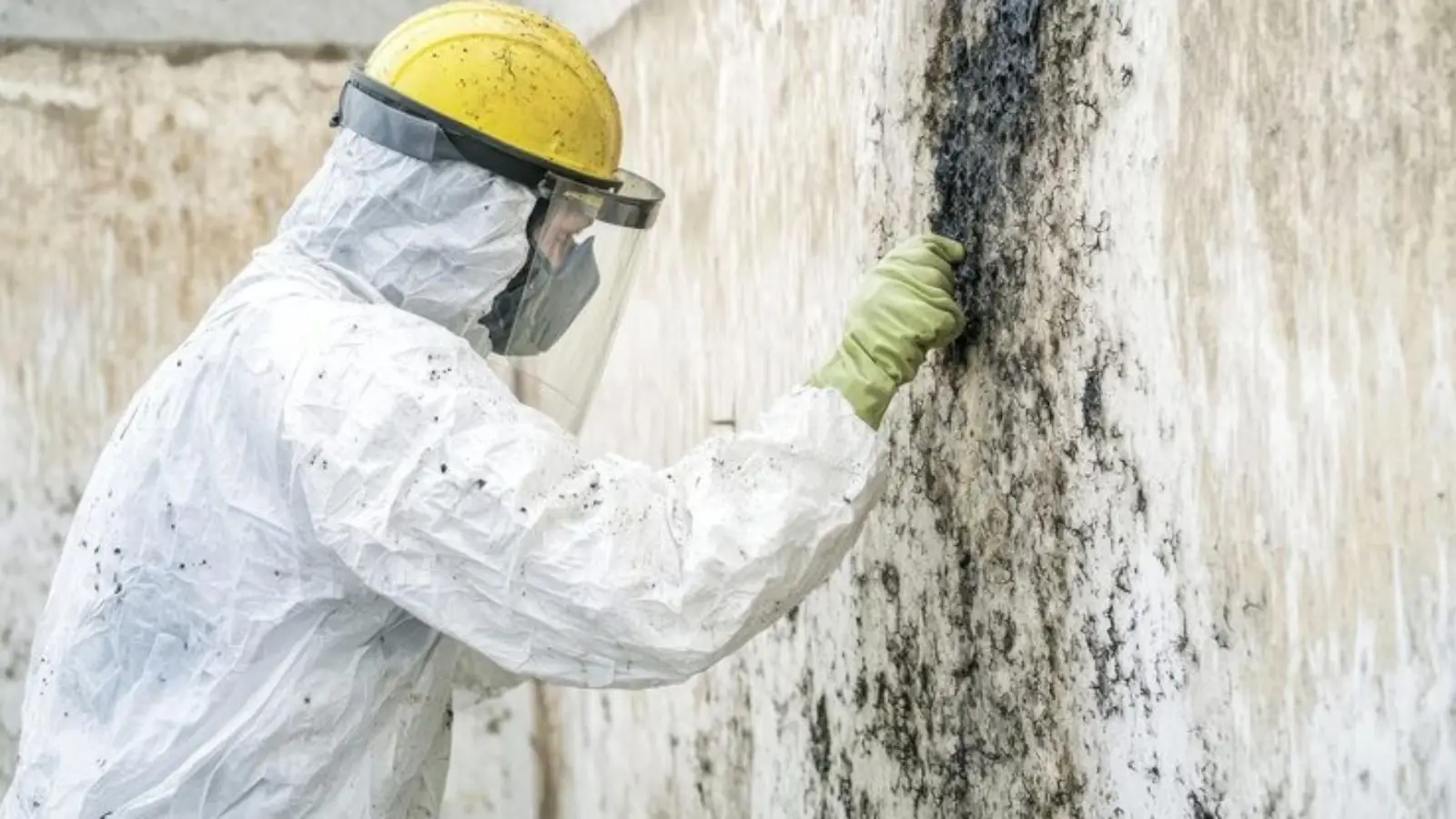
Black mold is a common name for dark-colored mold growth, and it describes a color rather than a single organism. In West Hollywood, CA, people searching for how dangerous black mold is usually have a dark patch on a ceiling, a closet wall or a bathroom corner.
This guide does not answer health questions, because those belong to a physician. What it can do is explain what the patch tells you, what testing can and cannot add, and how a mold remediation crew deals with the moisture behind it.
Why color does not name a species
Many mold types look dark green, gray or black, and the same species can look different depending on the surface and its age. Only laboratory analysis can name a species, and a photo or a quick glance cannot.
That is why a company that tells you what species you have by sight is guessing. The more useful question is whether there is visible growth, how large the area is, and where the water is coming from.
What the EPA says about sampling
The EPA does not recommend routine sampling for mold. It states that if visible mold growth is present, sampling is unnecessary, and it notes that no EPA or other federal limits have been set for mold or mold spores.
So a spore count cannot show that a home passes a federal standard, because none exists. Surface sampling after a cleanup may help confirm an area was adequately cleaned, and the agency says that should be done by professionals.
Who answers which question
| Question | Who can answer it | What it involves |
|---|---|---|
| Is there visible growth? | You or an inspector | Look for staining, fuzzy texture, a musty smell and damp materials |
| Which species is it? | A laboratory | A sample is analyzed, and color alone cannot decide it |
| Does it affect my health? | A physician | Health questions are outside what any restoration company can answer |
| Where is the water coming from? | A plumber or restoration crew | Moisture meters and thermal imaging trace the source |
| Is cleanup adequate? | A professional performing verification | Visual checks, moisture readings and, sometimes, surface sampling |
Keep records of each answer. They help with insurance and with any conversation with a landlord or association.
Where dark growth tends to start
Dark growth often appears where moisture lingers and air barely moves. Think of the corner of a shower ceiling, the back of a closet on an exterior wall, the underside of a sink cabinet or the wall behind a bed pushed tight against the paint.
Each of those spots has a repeating water source, whether that is steam, condensation or a slow plumbing drip. Finding which one applies is more useful than guessing at the species.
Carpet edges and the lower few inches of drywall wick water upward from a floor leak. A dark line along a baseboard after a washing machine or toilet leak is a typical example.
Dark patch spreading?
Call the 24/7 line and describe where it is. A crew can explain what an assessment looks at.
What a crew can and cannot tell you
A remediation crew can measure moisture, map how far dampness extends and describe how much material is affected. It can explain containment, removal and drying, and what it would do to protect the rest of the home.
It cannot diagnose anything about anyone's health, and it should not promise outcomes it cannot control. Ask any company whether its crews work to ANSI/IICRC S520, the published standard for professional mold remediation.
What to do while you wait
- Stop the water if you can, for example by shutting the valve to a leaking fixture.
- Photograph the area with something for scale, such as a coin or a tape measure.
- Keep the door closed and avoid disturbing the patch by scrubbing or sanding.
- Move belongings out of the damp area if it is safe to do so.
- Tell the property manager, association or insurer in writing.
Records that help later
Write down when you first noticed the patch, what was nearby and any recent leak, repair or storm. Dated photos with a tape measure for scale let an adjuster, landlord or crew see how the area changed.
If a physician is involved, share what you know about the building's moisture history with them. They, not a restoration company, can speak to anything health related.
Which utility, and who handles the sewer
The City of West Hollywood says the Los Angeles Department of Water and Power serves most areas of the city, while Beverly Hills Water serves certain areas on the west side. If a leak feeding the mold begins on the utility side of a meter, ask which of the two serves your building before you call.
The city also states that it provides its own sewage and sanitation services. A backup that leaves moisture and dark growth near a floor drain is therefore a city sewer question, and it is worth reporting alongside the cleanup.
Sources: City of West Hollywood Public Works water conservation page and the City of West Hollywood LADWP sewer rate page
From cleaning to remediation
Small, surface-level growth on a hard material can be cleaned by an owner following the EPA size guideline of about 10 square feet. When growth is larger, hidden or tied to a leak, remediation adds containment, negative air and removal of porous materials.
If the dark patch followed a pipe break or a roof leak, water damage repair comes after the structure is dry. The same questions apply across the city line, and the Beverly Hills page explains local details there.
Common questions from West Hollywood readers
Can I tell what kind of mold it is by looking?
No. Color and texture do not identify a species. Only laboratory analysis can do that, and the EPA says sampling is unnecessary when visible growth is already present.
Do I need a mold test before hiring a crew?
Usually not. Visible growth is already a reason to find and fix the moisture. A professional assessment looks at the size of the area, the materials affected and the water source.
Who answers questions about health and mold?
A physician. Restoration companies handle moisture, containment and removal, and they should not diagnose or advise on health conditions.
Is it safe to scrub dark mold off drywall?
Small surface patches on hard materials can be cleaned by an owner, but soft or crumbling drywall means moisture inside the wall. Avoid sanding or dry brushing, which spreads particles.
Which utility do I call about a leak in West Hollywood?
The City of West Hollywood says the Los Angeles Department of Water and Power serves most areas and Beverly Hills Water serves certain west-side areas. Check your water bill to see which one applies to your building.